Book · 2026 · Autopubblicazione
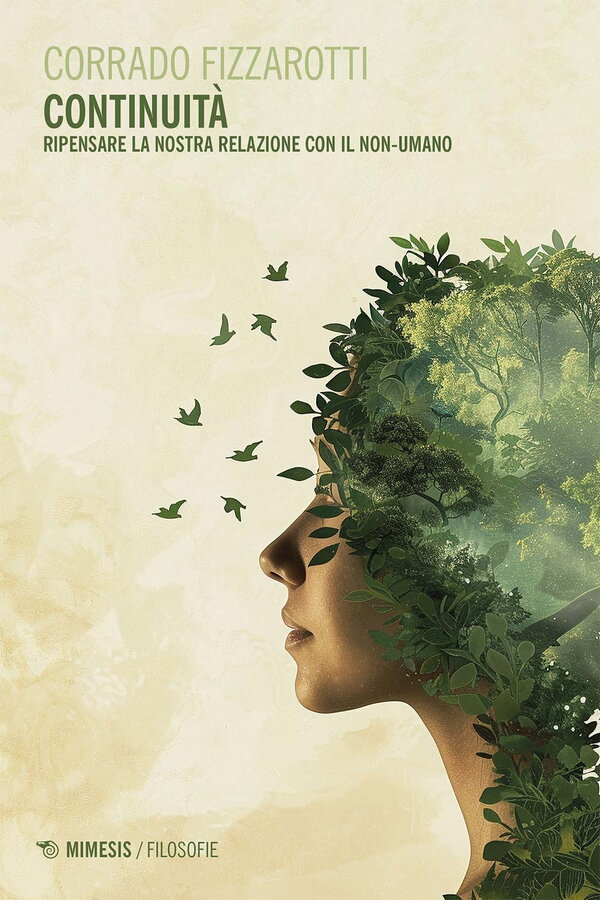
A route through the concepts and conflicts of environmental ethics: animals, ecosystems, justice, care and value. Twenty-five chapters introduce competing theories and test what they mean for decisions.
- environmental ethics
- animal ethics
- value
- climate justice
- care
- nature and the artificial
- moral pluralism
- teaching
Book · 2020 · Milano: Mimesis
An introduction to Mary Midgley’s life and thought, bringing emotion, scientific understanding and responsibility towards living beings into conversation. Philosophy examines the concepts that shape experience and guide our choices.
- Mary Midgley
- ethics
- emotions
- philosophy of science
- ethology
- human nature
- environmental ethics
Research article · 2023 · JOLMA - The Journal for the Philosophy of Language, Mind and the Arts
An inquiry into the implications of enactivism for moral considerability, at the intersection of environmental and animal ethics and individualist and holistic approaches.
- enactivism
- environmental ethics
- moral considerability
- action theory
Research article · 2022 · APhEx — Analytical and Philosophical Explanation, 25 (2022)
A philosophical profile of Mary Midgley, her works and themes, connecting nature, moral imagination and the critique of reductionism.
- Midgley
- encyclopaedia profile
Event · 2026-10-23 · Movimento Ecclesiale di Impegno Culturale (MEIC), Delegazione regionale della Toscana
A public talk on the reasons for valuing animals, nature and ecological relationships.
Speaker · Public talk
- animal ethics
- environmental ethics
- public communication
- public engagement
- philosophical communication
Event · 2026-08-18 · Biblioteca civica A. e A. Vago, Comune di Santa Margherita Ligure e Fondazione Il Mondo
A conversation with Pino Petruzzelli on Continuità, bringing philosophy and theatre into dialogue about our relationships with living beings.
Author and speaker · Public talk
- environmental ethics
- public communication
- public engagement
- philosophical communication
Event · 2023 · Università Ca' Foscari, Venezia
A conference contribution on continuity with nature as a possible bridge between animal and environmental ethics.
Speaker · Scientific contribution
- environmental ethics
- Midgley
- moral considerability
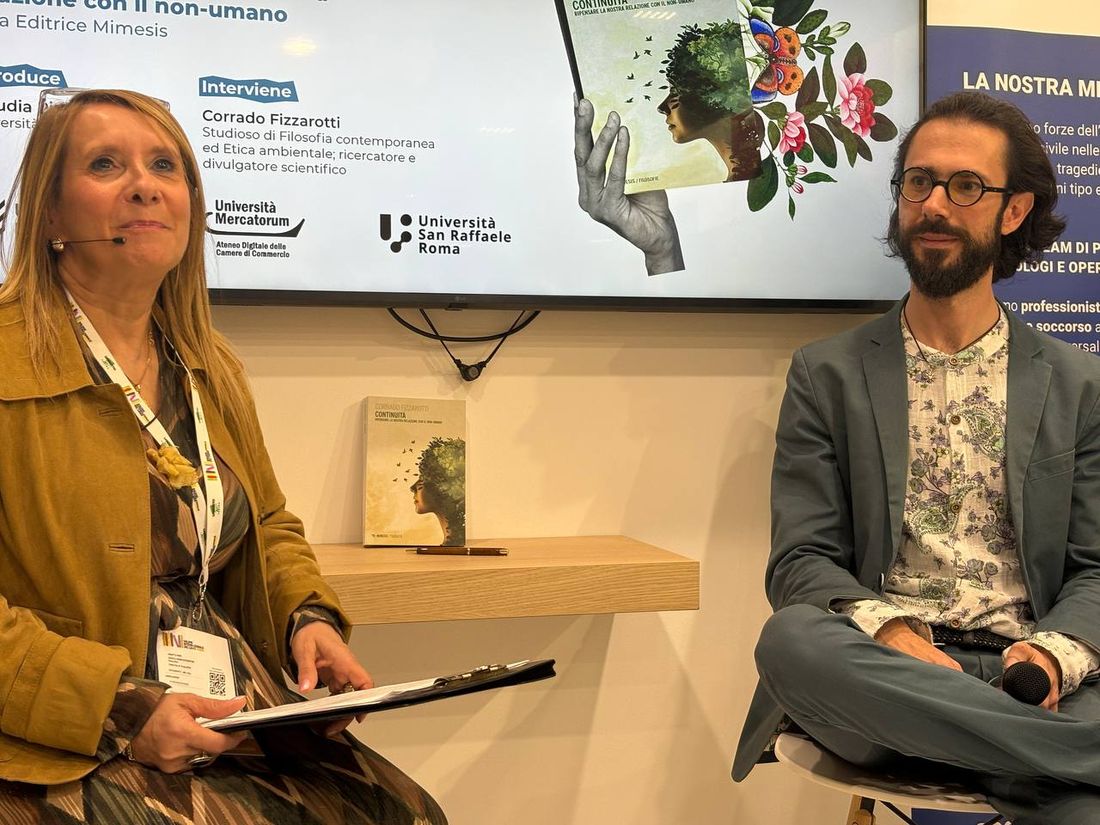
Event · 2026-05-14 · Salone Internazionale del Libro di Torino
Presentation of Continuità at the Turin International Book Fair.
Author and speaker · Public talk
- environmental ethics
- continuity
- public communication
- events
Essay and public writing · 2026-03-03 · IOSONOSPARTACO
The ecological crisis and changing philosophical conceptions of nature.
- environmental ethics
- nature
Essay and public writing · 2025-10-29 · IOSONOSPARTACO
Living with wolves: protection, conflict and prevention.
- environmental ethics
- animals
- coexistence
Essay and public writing · 2025-10-10 · IOSONOSPARTACO
A portrait of Jane Goodall and her work with animals.
- animals
- science
- Jane Goodall
Essay and public writing · 2025-07-24 · IOSONOSPARTACO
Midgley’s public legacy through Notes from a Biscuit Tin.
- Midgley
- public philosophy
- nature